
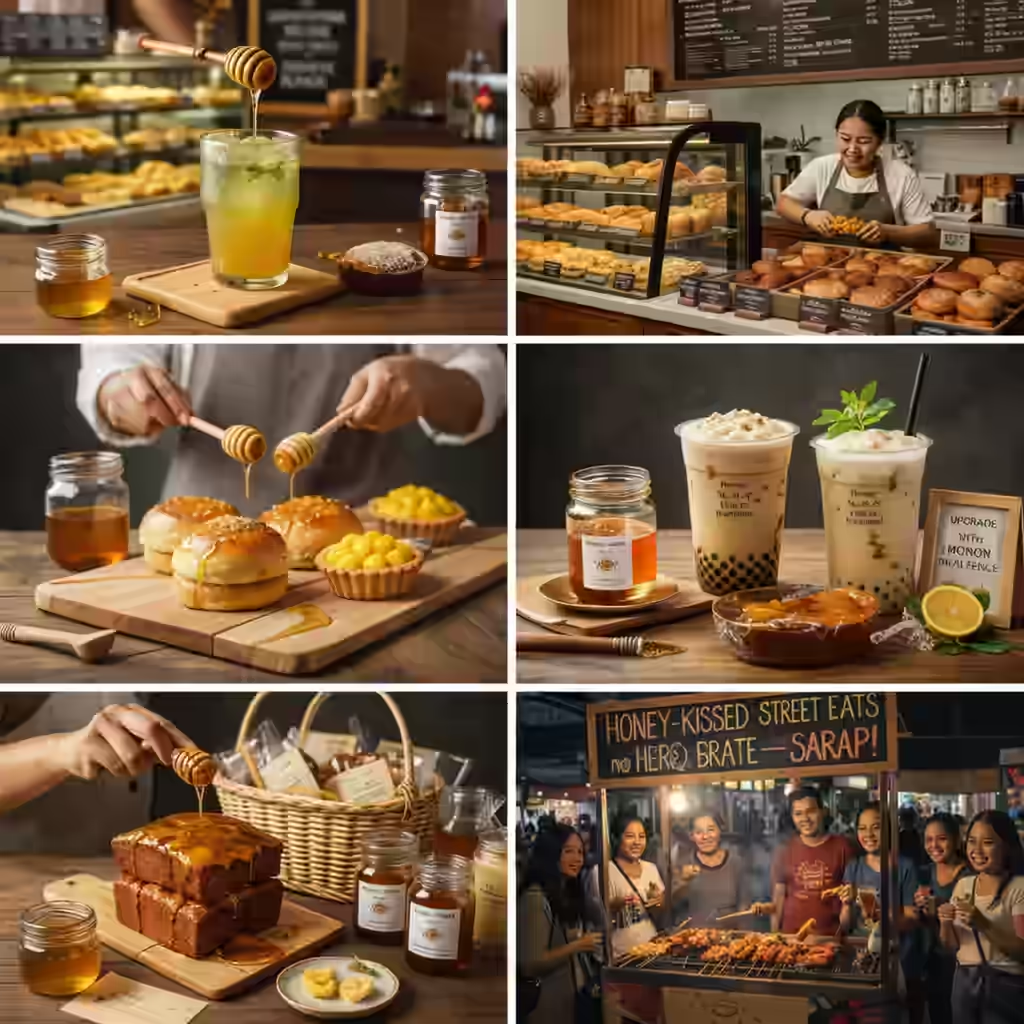
If you’re running a café, bakery, milk tea shop, or food stall in the Philippines, you’re always looking for ways to stand out and increase your profit margins. Here’s a sweet secret that many successful food entrepreneurs are discovering: honey isn’t just an ingredient—it’s a profit booster that can transform your menu and justify premium pricing.
The Honey Advantage: More Than Just Sweetness
Honey has become a magic word in the Filipino food scene. When customers see “honey” on your menu, they don’t just see another sweetener—they see natural, healthy, and premium. This perception allows you to charge 15-30% more than similar items made with regular sugar, and customers happily pay the difference.
The beauty of honey is that it works across every category of your business. Whether you’re selling drinks, pastries, or savory dishes, honey adds that natural appeal that today’s health-conscious customers are actively seeking.
For Cafés: Honey-Based Drinks That Sell
Coffee shops and cafés can easily integrate honey into their beverage lineup with minimal effort and maximum impact.
Honey Latte Series – Replace simple syrup with honey in your standard lattes. Offer variations like Calamansi Honey Latte or Ube Honey Latte. These drinks can command ₱20-30 more than regular lattes while costing you only ₱5-8 extra in ingredients.
Honey Lemon Ginger Tea – A perennial bestseller, especially during rainy season. Cost per cup: around ₱15-20. Selling price: ₱80-120. The profit margin speaks for itself.
Honey Matcha or Honey Hojicha – Japanese tea culture is booming in the Philippines. Add honey instead of sugar syrup, market it as “naturally sweetened,” and watch it become an Instagram favorite.
Cold Brew with Honey – Premium cold brew already commands high prices. Adding honey and marketing it as “artisan honey-sweetened cold brew” can push your price point even higher without resistance.
For Milk Tea Shops: Standing Out in a Crowded Market
The milk tea market in the Philippines is saturated, but honey can be your differentiator.
Honey Milk Tea Base – Create a signature line where honey is the primary sweetener. Market it as “healthier milk tea” and target customers who want milk tea but feel guilty about the sugar content.
Honey Boba or Honey Pearls – Instead of brown sugar boba, offer honey-glazed pearls. The trend of brown sugar boba proved that customers will pay premium prices for interesting sweetener combinations.
Winter Melon Honey Tea – Filipinos already love winter melon. Adding honey creates a natural-tasting drink that feels less artificial than standard milk tea sweeteners.
Honey Cream Cheese Foam – Top any drink with honey-infused cream cheese foam. This adds ₱15-20 to your cost but allows you to charge ₱40-50 more.
For Bakeries: Pastries That Command Premium Prices
Bakeries have endless opportunities to incorporate honey into products that can be priced significantly higher than standard offerings.
Honey Butter Croissants – Brush croissants with honey butter before the final bake. The glossy finish and natural sweetness make these irresistible. Regular croissants sell for ₱45-60, but honey butter croissants can easily go for ₱75-95.
Honey Cake (Castella Style) – Japanese honey castella cake is trending globally. It’s relatively simple to make and can be sold by the slice (₱80-100) or whole (₱400-600).
Honey Cinnamon Rolls – Replace your regular glaze with honey glaze. Add ₱10-15 to your cost, charge ₱30-40 more per piece.
Honey Banana Bread – A Filipino favorite made premium. Market it as “made with natural honey” and price it at ₱200-250 per loaf versus ₱120-150 for regular banana bread.
Honey Pandesal – Even the humble pandesal can go upscale. Create “Honey Pandesal” as a premium variant and sell it for ₱8-10 per piece versus ₱3-5 for regular pandesal.
For Home Bakers: Small Batches, Big Profits
Home bakers operating through social media and delivery apps can leverage honey to justify artisanal pricing.
Honey Garlic Butter Dinner Rolls – Perfect for family orders and special occasions. Cost per batch of 12: approximately ₱80-100. Selling price: ₱250-300.
Honey Oat Cookies – Position these as “healthy snacks” for kids. Parents will pay premium prices for treats they perceive as healthier. Sell packs of 6 for ₱150-200.
Honey Brownies – Dense, fudgy brownies made with honey develop a unique texture and deeper flavor. Market them as “artisan honey brownies” and charge ₱100-120 for a 4-piece pack.
Honey Glazed Polvoron – A modern twist on a Filipino classic. The honey glaze adds visual appeal and a reason to charge ₱80-100 for a box of 6 versus ₱40-50 for traditional polvoron.
For Food Stalls and Karinderyas: Savory Applications
Don’t think honey is just for sweets. Street food vendors and small restaurants can use honey in savory dishes to create signature items.
Honey Garlic Fried Chicken – The combination of honey and garlic is universally loved. This can be your “special” item priced ₱20-30 higher than regular fried chicken. The honey glaze costs about ₱5 per serving but adds tremendous perceived value.
Honey Glazed Pork Belly – Already popular in Korean cuisine, this is becoming a Filipino favorite. Serve it as a rice bowl or as pulutan. Charge ₱120-150 per serving.
Honey Sriracha Wings – The sweet and spicy combination is a proven winner. Six pieces can be priced at ₱150-180, and your food cost is only marginally higher than regular wings.
Honey Soy Salmon or Bangus – For stalls near offices or in food courts, this becomes your “healthy option.” The honey makes the fish appealing even to people who normally avoid seafood. Price it at ₱140-180.
Honey Mustard Sauce – Create your own signature dipping sauce for fries, nuggets, or grilled items. Customers will pay extra for interesting sauces, and honey mustard costs very little to make but feels premium.
Why Customers Willingly Pay More for Honey
The Filipino market has shifted dramatically in recent years. Today’s customers, especially millennials and Gen Z, actively seek products with these qualities, all of which honey delivers naturally.
Natural and Less Processed – Even if customers aren’t strictly health-conscious, there’s a general preference for ingredients that feel less artificial. “Sweetened with honey” sounds infinitely better than “with sugar syrup.”
Instagram-Worthy – Honey has visual appeal. Whether it’s drizzling on a latte, glazing a pastry, or creating a shiny coating on fried chicken, honey photographs beautifully. This free marketing is invaluable.
Perceived Health Benefits – Whether or not customers understand the actual nutritional differences, honey carries a “healthy halo.” Parents buying for children, health-conscious young professionals, and anyone trying to make better choices will choose honey options.
Premium Positioning – Honey automatically elevates your brand. It signals that you care about quality ingredients and aren’t cutting corners with the cheapest sweeteners available.
The Math: Why Honey Boosts Your Bottom Line
Let’s look at a real example. You run a small café and want to add a honey latte to your menu.
Regular Latte:
- Cost: ₱25 (coffee, milk, sugar, cup)
- Selling price: ₱90
- Profit: ₱65
- Margin: 72%
Honey Latte:
- Cost: ₱32 (coffee, milk, honey, cup)
- Selling price: ₱120
- Profit: ₱88
- Margin: 73%
You’re making ₱23 more per drink (35% more profit) by adding ₱7 worth of honey and marketing it properly. If you sell just 20 honey lattes per day, that’s an extra ₱460 daily or ₱13,800 monthly—enough to cover one employee’s salary or your rent.
Practical Tips for Implementation
Start Small – You don’t need to overhaul your entire menu. Choose 2-3 honey-based items to test. See what resonates with your customers before expanding.
Source Wisely – Buy honey in bulk from reputable suppliers. Local Philippine honey from palengke or wholesale markets can cost ₱250-350 per kilo, while branded honey from grocery stores costs much more. Your margins depend on smart sourcing.
Market the “Honey” Clearly – Don’t hide it. Use terms like “naturally sweetened with honey,” “artisan honey,” or “pure honey” on your menu boards, social media posts, and product descriptions.
Create Signature Items – Have 1-2 items that are uniquely yours. Maybe it’s your Honey Calamansi Iced Tea or your Honey Garlic Longganisa. Make these your flagship products that people come specifically to buy.
Educate Your Staff – Make sure your crew can explain why honey items cost more. A simple “we use natural honey instead of regular sugar” is usually enough for customers to understand the value.
Use Visual Cues – If possible, show the honey. A honey dripper on the counter, honey bottles on display, or even just photos of honey being drizzled on your menu boards reinforce the premium positioning.
Beyond the Trend: Long-Term Profitability
Unlike many food trends that come and go, honey has staying power. It’s been valued for thousands of years and isn’t going anywhere. By building honey into your core menu now, you’re not chasing a fad—you’re adopting a profitable ingredient that will serve your business for years.
For Filipino food entrepreneurs working with tight margins and fierce competition, honey offers a rare opportunity to differentiate yourself, command premium prices, and increase profitability without massive investment or complicated techniques. Whether you’re glazing, drizzling, mixing, or baking with it, honey is one of the smartest ingredients you can add to your kitchen.
The question isn’t whether you can afford to use honey in your business. The question is whether you can afford not to.
Leave a Reply