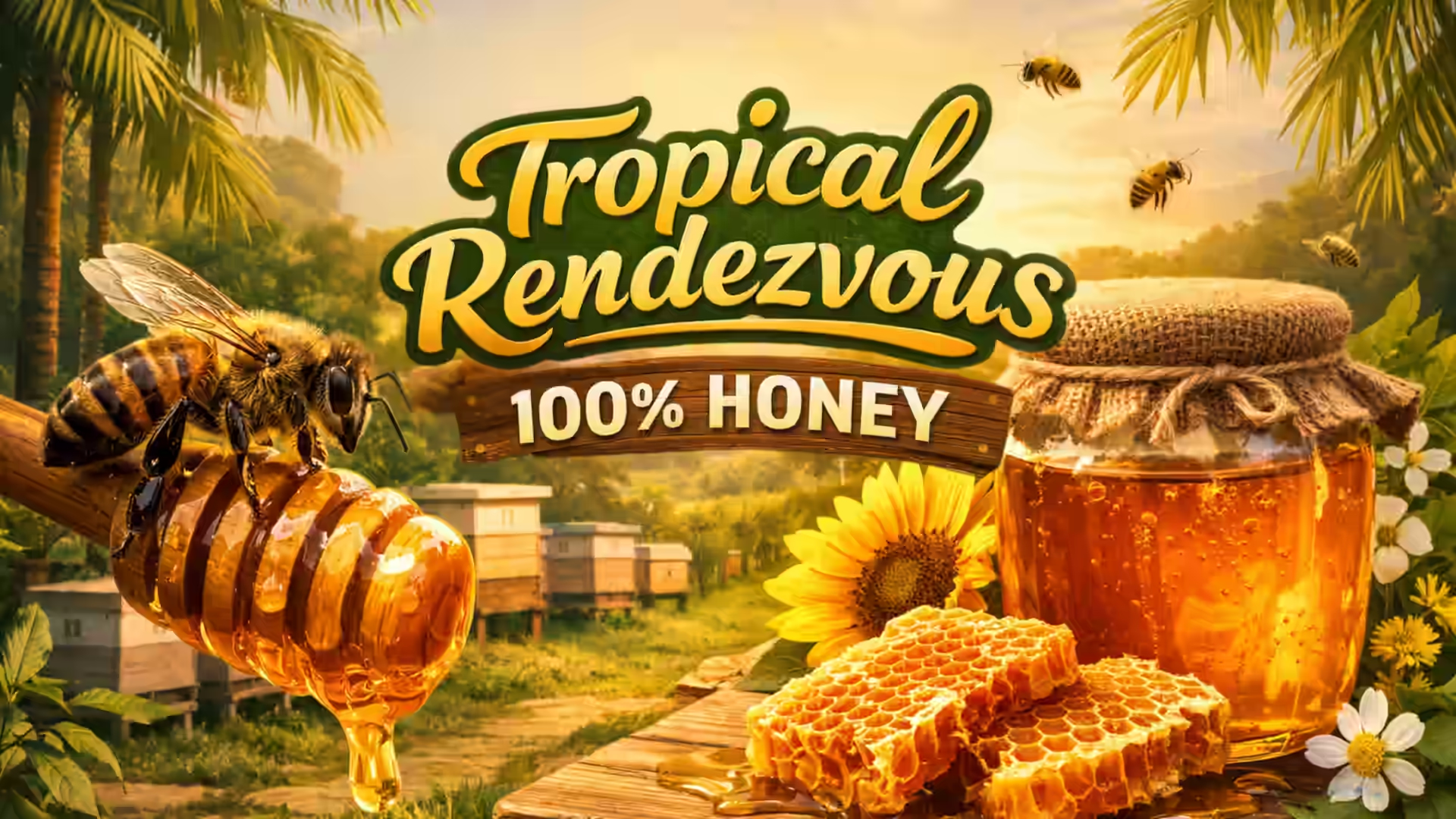
There’s something almost magical about honey. It’s been treasured for thousands of years—not just as food, but as medicine, ritual offering, and symbol of abundance. In the Philippines, where small-scale beekeeping is growing and consumers are increasingly drawn to natural, locally-sourced products, honey represents an untapped goldmine for creative entrepreneurs.
But here’s the thing: most people still see honey as just another ingredient sitting in the pantry. A sweetener for tea. A drizzle on pancakes. What if you could change that perception entirely?
What if honey wasn’t just an ingredient—but the heart of an entire brand?
Why Honey Works as a Brand Foundation
Filipino consumers are shifting. We’re more health-conscious, more interested in supporting local producers, and more willing to pay premium prices for products that tell a story. Honey checks all these boxes. It’s natural, it’s versatile, and it carries an inherent sense of purity and wellness that resonates deeply in today’s market.
The beauty of building a brand around honey is its flexibility. Honey isn’t confined to one category or one use case. It spans food, beauty, wellness, and gifting. This means you can start small with one product line and naturally expand as your brand grows, all while maintaining a cohesive identity centered on this golden ingredient.
Real Business Ideas You Can Launch Today
Let’s move from theory to practice. Here are concrete, actionable product ideas that Filipino entrepreneurs can develop around honey—each with real market potential and relatively low barriers to entry.
1. Artisanal Bottled Honey
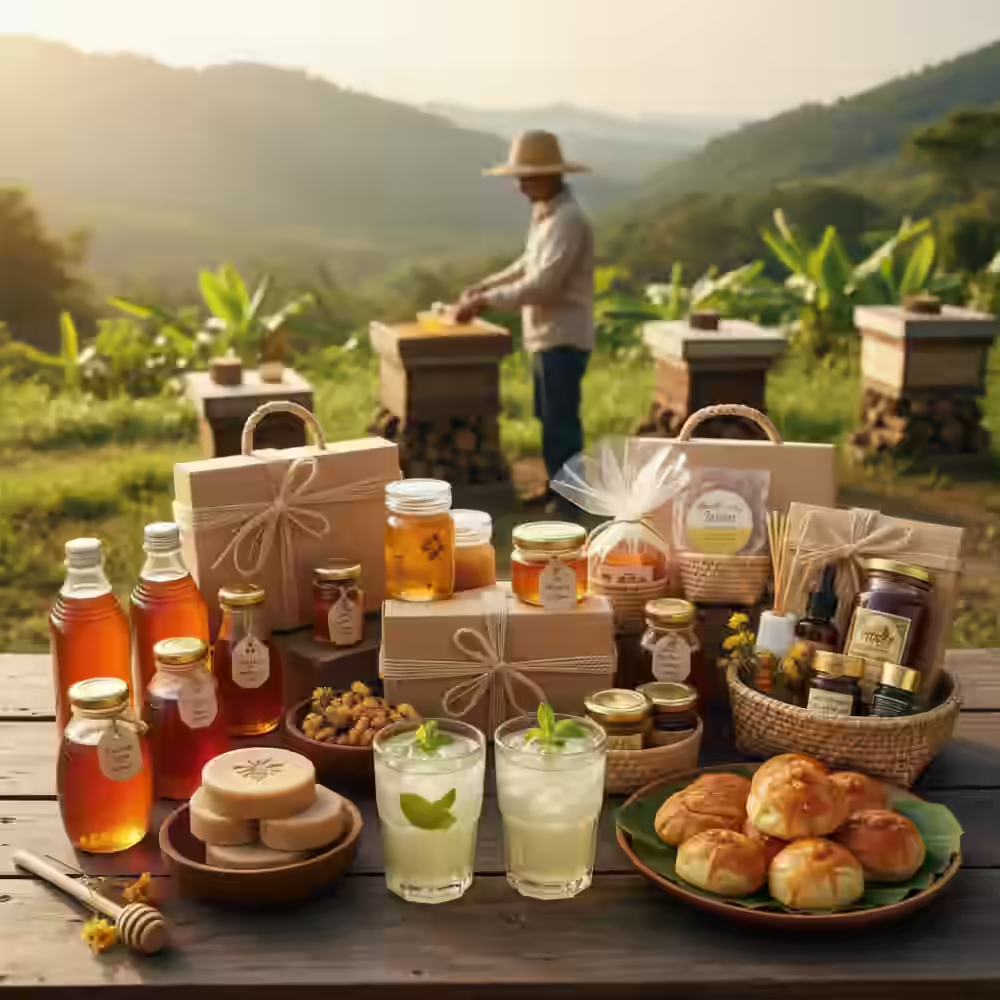
Start with the source. Partner with local beekeepers to source different varieties: wildflower honey from the mountains, coconut blossom honey from Mindanao, or multi-floral honey from provincial farms. The key is differentiation—create a range that highlights terroir, much like wine does. Package them beautifully with labels that tell the story of where each honey comes from and the beekeepers who produced it. Consider offering raw, unfiltered varieties for the health-conscious market, or infused versions with calamansi, ginger, or turmeric for added value.
2. Honey-Based Drink Line
Filipinos love their beverages, and honey makes an excellent base for ready-to-drink products. Think honey lemon ginger shots for immunity, honey-sweetened iced teas, or even honey kombucha for the wellness crowd. You could also create honey concentrates or syrups specifically designed for mixing with water, coffee, or cocktails. The convenience factor alone makes this category compelling, especially for busy urbanites seeking healthier alternatives to artificial sweeteners.
3. Honey Soap and Skincare Line
The beauty and personal care market in the Philippines is booming, and natural ingredients are trending hard. Honey’s antibacterial and moisturizing properties make it perfect for soap, facial cleansers, lip balms, and body scrubs. You can start simple with cold-process honey soaps in varieties like honey-oatmeal, honey-turmeric, or honey-charcoal. As you grow, expand into honey face masks, body butters, or even a complete honey skincare routine. The organic beauty movement isn’t slowing down—position yourself right in the middle of it.
4. Curated Honey Gift Sets
Filipinos are generous gifters, and thoughtfully curated gift sets have strong appeal year-round—holidays, corporate giveaways, weddings, and special occasions. Create themed sets like “The Breakfast Box” (honey, granola, preserves), “The Wellness Kit” (honey, herbal tea, essential oils), or “The Spa Experience” (honey soap, scrub, candle). Premium packaging is crucial here. Invest in beautiful boxes, include information cards about the products, and maybe even add a wooden honey dipper or small spreader. These sets command higher price points and position honey as a luxury item rather than a commodity.
5. Honey Pastries and Baked Goods
The Filipino palate loves pastries, and honey offers a natural sweetener with added selling points. Develop a line of honey-sweetened pan de sal, honey ensaymada, honey polvoron, or honey cake. You could also create honey granola bars, honey oat cookies, or even honey-glazed empanadas. The health angle is strong here—”sweetened naturally with pure honey, no refined sugar”—which appeals to parents, fitness enthusiasts, and diabetics looking for better options. Start with local markets or online sales, then scale to retail partnerships.
6. Honey Wellness Kits
Package honey with complementary wellness products to create complete self-care solutions. A “Cold & Flu Fighter Kit” might include honey, propolis extract, and herbal tea. An “Energy Booster Bundle” could combine honey with pollen, royal jelly supplements, and instructions for honey-based energy balls. These kits tap into the growing wellness economy and position your brand as a lifestyle choice, not just a product provider.
7. Honey Condiments and Spreads
Move beyond pure honey into value-added products. Create honey mustard, honey barbecue sauce, or honey-chili glaze—products that work perfectly with Filipino grilling culture. Honey butter spreads, honey peanut butter, or honey-cacao spreads also have strong potential. These products increase your brand’s presence in kitchens while differentiating you from standard honey sellers.
8. Honey for Coffee and Tea
Create a specialized line marketed specifically for beverage enthusiasts. Package honey in convenient squeeze bottles or stick packets designed for on-the-go use. Partner with coffee shops or tea houses for wholesale distribution. You could even develop honey specifically processed to dissolve better in cold drinks—a real pain point for honey users that most brands haven’t adequately addressed.
9. Honey Subscription Boxes
Build recurring revenue with a monthly honey subscription service. Each month, subscribers receive a different honey variety from various regions of the Philippines, complete with tasting notes, recipe cards, and information about the beekeepers. This model builds community, educates consumers, and creates predictable cash flow for your business.
10. Educational Honey Experiences
Consider offering bee farm tours, honey tasting workshops, or DIY honey product-making classes. These experiences deepen customer connection to your brand and can command premium prices. They also generate content for social media and create brand ambassadors who’ve literally invested time into understanding your story.
Building Your Honey Brand: Where to Start
You don’t need to launch all of these at once. Start with one or two products that align with your skills, resources, and target market. What matters more than variety is consistency in quality and storytelling.
Source your honey responsibly and transparently. Filipino consumers increasingly care about supporting local beekeepers and sustainable practices. Make these connections visible through your packaging, website, and social media. Share the faces behind your honey. Talk about the regions where your bees forage. This isn’t just marketing—it’s building trust and loyalty.
Invest in branding from the start. Your packaging, your name, your visual identity—these need to communicate that you’re offering something special, not just another jar of honey. Work with a designer if you can, or at minimum, study successful honey brands internationally and locally to understand what premium looks like in this category.
Focus on education. Most Filipinos don’t know the difference between raw honey and processed honey, or why local honey might be better for allergies, or how to use honey in ways beyond sweetening. Content marketing—through social media, blogs, or even packaging inserts—positions you as an expert and builds the perceived value of your products.
Your Golden Opportunity
The Philippine honey market is still developing, which means there’s space for new brands to establish themselves before the category becomes saturated. You’re not competing with massive corporations yet. You’re competing with supermarket honey brands that have done little to innovate or inspire.
This is your opening. This is where a small entrepreneur with vision, hustle, and genuine care for quality can build something meaningful.
Honey is ancient, but it’s also incredibly modern. It fits the wellness trend, the natural beauty movement, the farm-to-table dining culture, and the desire for meaningful, artisanal products. It works in luxury markets and accessible markets. It travels well, stores indefinitely, and carries cultural significance across generations.
So stop seeing honey as just an ingredient. See it as the foundation of something bigger. See it as the golden thread that could weave together a brand, a livelihood, and maybe even a movement toward supporting local agriculture and sustainable practices.
The bees have done their work. Now it’s your turn.
Start small if you need to—maybe with a single beautifully packaged honey product sold at weekend markets. But start with a brand mindset, not a product mindset. Think about who you’re serving, what story you’re telling, and what values your brand represents.
The opportunity is sitting there, golden and sweet, waiting for someone brave enough to build something around it.
That someone could be you.
Leave a Reply