
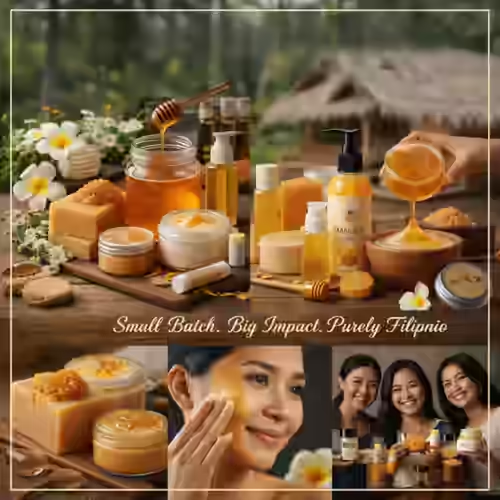
The Philippine beauty industry is experiencing unprecedented growth. With consumers becoming increasingly conscious about ingredient quality and natural formulations, local skincare and cosmetic brands have a golden opportunity to differentiate themselves in a crowded marketplace. Among the arsenal of natural ingredients available, one stands out for its versatility, proven efficacy, and strong consumer appeal: honey.
The Sweet Spot: Understanding the Philippine Beauty Market
The Filipino skincare and cosmetics market has transformed from a dominated-by-international-brands landscape to a thriving ecosystem where homegrown companies are making significant waves. Valued at billions of pesos and growing year after year, this industry reflects the Filipino consumer’s evolving priorities: transparency, natural ingredients, and products that deliver real results.
Local brands are no longer just competing on price. They’re building loyal communities around authenticity, sustainability, and ingredient innovation. This shift creates the perfect environment for natural, multifunctional ingredients like honey to take center stage.
Why Honey Deserves Hero Status
A “hero ingredient” is the star of your product formulation, the component that drives your marketing message and gives consumers a clear reason to choose your brand. Honey checks every box for hero ingredient status, and here’s why it’s particularly powerful for Philippine brands.
Honey is deeply embedded in Filipino culture. From traditional medicine to home remedies passed down through generations, Filipinos already trust honey’s healing properties. This cultural resonance means you’re not educating consumers from zero—you’re building on existing positive associations. When a customer sees “honey” prominently featured on your product, they immediately connect it with natural care, sweetness, and wellness.
Beyond cultural appeal, honey’s scientific credentials are impressive. It’s a natural humectant, meaning it draws moisture from the air into the skin and helps retain it. This makes it invaluable for hydration-focused products. Honey also contains natural enzymes, antioxidants, amino acids, and vitamins that nourish and protect the skin. Its antimicrobial and anti-inflammatory properties have been studied extensively, making it suitable for addressing various skin concerns from acne to aging.
Formulating Success: Where Honey Shines in Your Product Line
Soaps: The Gateway Product
Honey soaps represent one of the most accessible entry points for brands incorporating this ingredient. The Philippines has a strong tradition of natural soap making, and honey elevates these products from simple cleansers to skin-nourishing treatments.
When formulated properly, honey soaps offer gentle cleansing without stripping the skin’s natural oils. The ingredient’s humectant properties help prevent the tight, dry feeling many consumers experience after washing. For brands, honey soap provides an opportunity to create premium, artisanal products that command higher price points than standard alternatives. The visual appeal of golden-hued bars embedded with real honey or honeycomb patterns also creates Instagram-worthy products that practically market themselves.
Facial Scrubs: Gentle Exfoliation with Benefits
The exfoliation category is crowded with harsh scrubs that can damage the skin barrier. Honey-based facial scrubs offer a compelling alternative that appeals to the growing segment of consumers seeking gentler options.
Honey’s natural enzymes provide mild chemical exfoliation while physical exfoliants in the formula handle dead skin removal. This dual-action approach makes scrubs more effective while remaining suitable for sensitive skin. The ingredient’s antibacterial properties also help prevent the breakouts that sometimes occur after exfoliation, when pores are more exposed.
For formulation, brands can combine honey with finely ground oats, coffee grounds, or sugar for different exfoliation intensities. The result is a luxurious texture that feels indulgent while delivering real skincare benefits.
Face Masks: The Premium Treatment
Face masks represent the premium tier of skincare where consumers expect visible results and are willing to pay more. Honey’s versatility makes it perfect for various mask types addressing different skin concerns.
A honey and yogurt mask can brighten and even skin tone. Honey combined with clay can balance oily skin while maintaining hydration. Honey and avocado create rich, nourishing treatments for dry skin. The ingredient’s natural thickness also helps create satisfying textures that feel substantial when applied.
Single-use honey mask sachets offer excellent retail opportunities. They’re affordable trial products that can convert first-time buyers into regular customers. For brands with limited production capacity, masks also require smaller batch sizes compared to daily-use products, making them ideal for testing markets or launching limited editions.
Shampoos: Beyond Skincare
Hair care represents significant growth potential for beauty brands, and honey brings unique benefits to this category. Filipino consumers increasingly seek hair products that address damage from heat styling, chemical treatments, and environmental stressors.
Honey in shampoo formulations helps retain moisture in the hair shaft, reducing frizz and improving manageability. Its humectant properties are particularly valuable in the Philippine climate where humidity can wreak havoc on hair. The ingredient also adds natural shine without weighing hair down.
Brands can position honey shampoos as restorative treatments that repair while they cleanse. This elevates the product beyond basic hygiene into the self-care and treatment category where margins are typically higher.
Lip Care: Small Products, Big Impact
Lip balms, lip scrubs, and lip masks might be small, but they’re mighty in terms of profit margins and brand introduction. Many consumers try a brand for the first time through lip products because they’re affordable, visible in use, and easy to share with friends.
Honey is ideal for lip formulations because of its natural emollient properties and pleasant taste. A honey lip scrub using sugar crystals creates an effective exfoliation treatment that consumers can use weekly. Honey lip balms provide long-lasting moisture and protection, particularly important in air-conditioned environments or for consumers who spend time outdoors.
These products also have excellent gifting potential. Sets combining honey lip scrub and balm create attractive packages for birthdays, holidays, or corporate gifts, opening additional revenue streams.
Marketing Your Honey-Based Products
Having great formulations is only half the battle. Effective marketing transforms good products into must-have items. When honey is your hero ingredient, your marketing strategy should lean into several key themes.
Start with storytelling. Where does your honey come from? Philippine consumers increasingly value local sourcing and supporting Filipino farmers. If you source honey from local beekeepers in Bukidnon, Benguet, or other regions known for beekeeping, this becomes a powerful story about supporting local agriculture and communities. This narrative resonates deeply with the growing “Proudly Filipino” movement in consumer behavior.
Visual branding should reflect honey’s natural luxury. Golden, amber, and warm brown color palettes immediately communicate the presence of honey. Packaging that showcases the product’s honey content through transparent windows or honeycomb patterns creates shelf appeal. Even simple kraft paper packaging with bee or honeycomb illustrations can convey artisanal quality while keeping costs manageable for small brands.
Your messaging should educate while selling. Many consumers know honey is “good” but may not understand why. Social media content that explains honey’s humectant properties, its vitamin content, or its historical use in beauty treatments positions your brand as an expert while building trust. Before-and-after content showing honey’s effects on skin hydration or lip condition provides social proof that drives purchases.
Ingredient transparency is crucial. List your honey content prominently and honestly. If you use raw honey, wild honey, or specific types like multifloral or monofloral honey, communicate this clearly. Consumers are skeptical of products that merely add token amounts of trendy ingredients, so substantive honey content backed by clear communication builds credibility.
Standing Out in a Competitive Market
The Philippine beauty market may be booming, but competition is fierce. Honey as a hero ingredient provides several competitive advantages that small brands can leverage against larger competitors.
First, honey offers clean beauty credentials without requiring extensive certification processes. While you should always ensure your formulations meet regulatory standards, honey’s natural origin and centuries of safe use make it easier to position products as clean, natural, and safe compared to newer synthetic ingredients that may face consumer skepticism.
Second, honey’s versatility allows for extensive product line development from a single hero ingredient. This creates brand cohesion while allowing you to target different consumer needs. A customer who loves your honey soap might naturally graduate to your honey face mask, creating higher lifetime value from each customer relationship.
Third, the ingredient provides flexibility across price points. A simple honey and oatmeal soap can be positioned as an affordable daily essential, while a honey facial serum with additional active ingredients commands premium pricing. This range lets you serve different market segments without abandoning your core ingredient identity.
Practical Considerations for Small Brands
Formulating with honey requires understanding some practical challenges. Honey is hygroscopic, meaning it attracts and holds water, which affects product stability and shelf life. Working with experienced formulators who understand how to properly preserve honey-based products is essential. Inadequate preservation can lead to microbial growth, especially in humid environments like the Philippines.
Sourcing consistent, high-quality honey matters tremendously. Establishing relationships with reliable local suppliers ensures your products maintain consistent quality batch after batch. While it might be tempting to source the cheapest honey available, quality variations can affect both product performance and consumer perception. Consider this an investment in your brand’s reputation.
Regulatory compliance cannot be overlooked. The FDA Philippines has specific requirements for cosmetic products, including proper labeling, ingredient declarations, and facility registrations. Ensuring your honey-based products meet these requirements protects both your customers and your business from potential issues.
Testing is crucial before launching any product. Stability testing ensures your formulations remain safe and effective throughout their intended shelf life. Patch testing and consumer testing help identify any potential sensitivities and gather feedback on texture, scent, and efficacy. While testing requires time and resources, it’s far less expensive than dealing with product recalls or reputation damage from inadequately tested products.
Looking Forward: The Future of Honey in Philippine Beauty
The trajectory of the Philippine beauty industry favors natural, effective ingredients with cultural resonance. Honey sits at the intersection of these trends, making it a sustainable choice for brands building for long-term success rather than chasing fleeting fads.
As consumers become more sophisticated, they’ll increasingly reward brands that offer transparency, quality, and innovation. Honey provides a foundation for all three. It’s an ingredient consumers can understand and verify, it delivers measurable skincare benefits, and it offers enough versatility for continuous innovation in formulations and product types.
For small to medium cosmetic brands in the Philippines, honey represents more than just another ingredient to add to formulations. It’s a strategic positioning tool, a marketing differentiator, and a formulation workhorse that can anchor an entire brand identity. The brands that succeed will be those that fully commit to honey as their hero ingredient, building deep expertise in formulating with it, sourcing it responsibly, and communicating its benefits authentically.
The Philippine beauty market is ready for brands that offer something genuinely valuable. Honey, with its perfect blend of tradition, science, and natural luxury, gives you exactly that. The question isn’t whether honey can work as a hero ingredient—it’s whether you’re ready to build your brand’s success around this golden opportunity.
Ready to develop your honey-based skincare line? Start by connecting with local beekeepers, consulting with experienced formulators familiar with natural ingredients, and researching your target market’s specific skincare concerns. The sweet success of honey-based cosmetics awaits brands willing to invest in quality formulations and authentic marketing.
Leave a Reply