
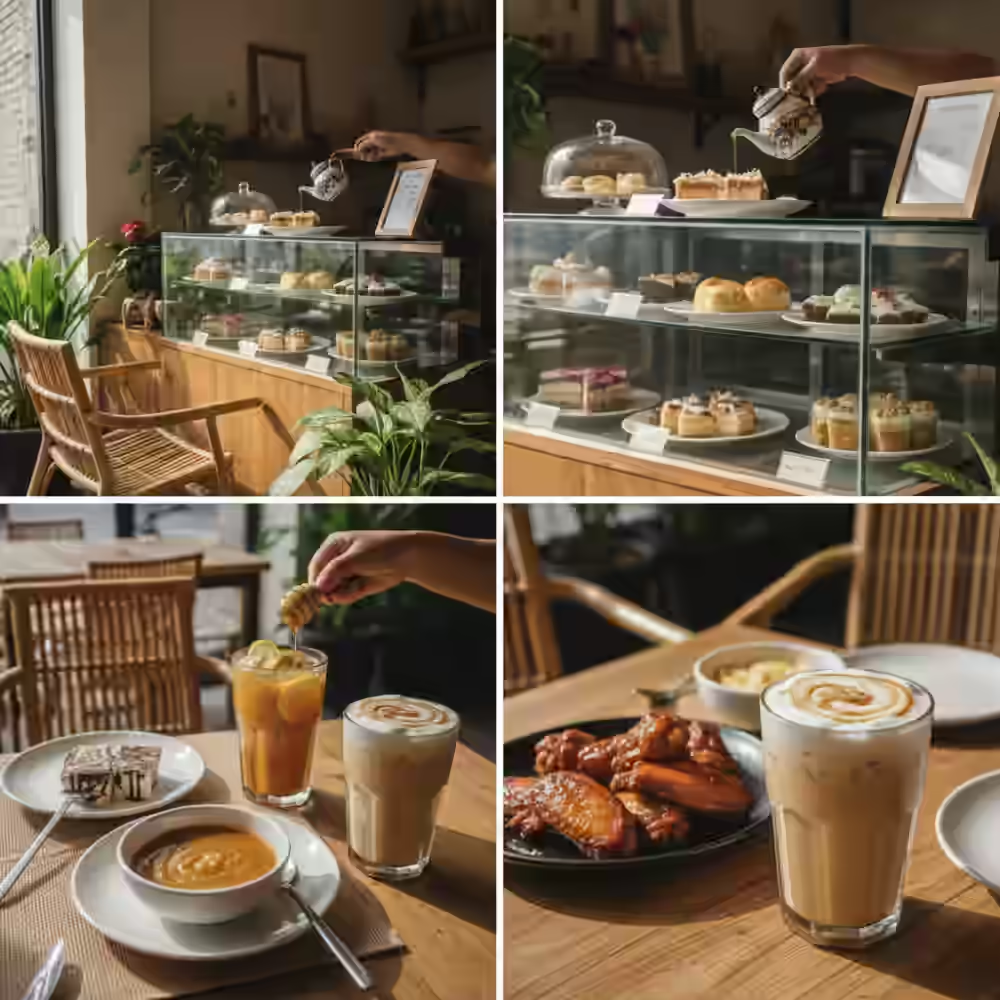
In today’s competitive food and beverage industry, standing out means offering something special. While many establishments reach for artificial sweeteners or plain sugar, there’s a golden opportunity sitting right in front of you: honey. This natural sweetener isn’t just a healthier alternative—it’s a premium ingredient that can transform ordinary menu items into memorable signature dishes and drinks.
Let’s explore how cafés, restaurants, and milk tea shops are using honey to differentiate their offerings and delight customers.
Why Honey Deserves a Spot on Your Menu
Before diving into specific applications, consider what honey brings to the table. Unlike regular sugar, honey offers:
- Complex flavor profiles that vary by floral source (acacia, wildflower, manuka, orange blossom)
- Natural sweetness with a perceived health halo that appeals to wellness-conscious consumers
- Premium positioning that justifies higher menu prices
- Versatility across beverages, mains, and desserts
- Instagram-worthy appeal when drizzled or displayed
Now let’s look at how successful food businesses are putting honey to work.
Honey in Beverages: From Classic to Creative
Honey Lemon Tea: The Gateway Drink
The humble honey lemon tea has become a café staple for good reason. This simple combination offers comfort when you’re feeling under the weather and refreshment on a warm day.
How to elevate it:
- Use different honey varieties for distinct flavor notes (lavender honey adds floral sophistication, buckwheat honey provides robust earthiness)
- Offer it hot or iced with fresh lemon slices
- Add fresh ginger or mint for variation
- Market it as your “Immune Boost Tea” or “Golden Elixir”
Pro tip: Display your honey selection at the counter. When customers see jars of artisanal honey, they associate your café with quality ingredients.
Honey Milk Tea: The Premium Twist
While traditional milk tea relies on sugar syrup, honey milk tea offers a smoother, more nuanced sweetness that doesn’t overpower the tea’s natural flavors.
Winning combinations:
- Classic Honey Oolong Milk Tea: The floral notes of oolong pair beautifully with acacia honey
- Brown Sugar Honey Milk Tea: Combine the caramelized depth of brown sugar with honey’s complexity
- Royal Honey Milk Tea: Use premium manuka or royal jelly honey as a signature ingredient
- Matcha Honey Milk Tea: Balance matcha’s slight bitterness with honey’s gentle sweetness
Menu positioning: Price honey milk tea options $0.50-$1.00 higher than sugar-based versions. Customers perceive honey as premium and are willing to pay for it.
Honey Coffee: Barista’s Secret Weapon
Coffee shops are discovering that honey pairs exceptionally well with espresso-based drinks, creating smoother sweetness without the acidic spike of sugar.
Must-try honey coffee drinks:
Honey Latte: Replace simple syrup with honey for a naturally sweet, velvety drink. The honey complements coffee’s bitter notes while adding subtle complexity.
Honey Cinnamon Cold Brew: Drizzle honey into cold brew and top with a cinnamon stick. The slow dissolution creates layers of sweetness as customers drink.
Honey Vanilla Cappuccino: Combine honey and vanilla extract in the espresso before adding steamed milk. The result is aromatic and comforting.
Spanish Latte with Honey: This condensed milk-based drink becomes even more luxurious when finished with a honey drizzle.
Pricing insight: Specialty honey coffee drinks can command $1-2 more than standard menu items, especially when using artisanal or single-origin honey.
Honey in Restaurant Mains: Savory Applications
Honey Glazed Chicken: The Crowd Pleaser
Honey glazed chicken has become a restaurant staple across cuisines, from Korean fried chicken chains to American diners. The honey creates a glossy, caramelized coating that’s visually appealing and irresistibly tasty.
Popular variations:
Korean-Style Honey Butter Chicken: Crispy fried chicken tossed in a honey-butter-garlic glaze, finished with chopped nuts. This has become a viral sensation for good reason.
Honey Soy Glazed Wings: Combine honey with soy sauce, garlic, and ginger for sticky, finger-licking wings that balance sweet and savory.
Honey Mustard Grilled Chicken: A classic that never goes out of style. Use Dijon mustard, honey, and herbs for an elegant dish.
Honey Sriracha Chicken Tenders: Perfect for the sweet-heat trend. The honey tames the sriracha’s fire while adding shine.
Chef’s tip: Apply honey glazes in the final minutes of cooking to prevent burning. The sugars in honey caramelize quickly at high heat.
Honey Sauces: Signature Condiments
Creating house-made honey sauces can become your restaurant’s calling card.
Versatile honey sauce ideas:
Honey Garlic Sauce: Perfect for wings, pork chops, or salmon. Mix honey with minced garlic, soy sauce, and a touch of vinegar.
Spicy Honey Drizzle: Infuse honey with chili flakes for a sweet-heat condiment that works on pizza, fried chicken, or roasted vegetables.
Honey Balsamic Reduction: Reduce balsamic vinegar with honey for an upscale drizzle over salads, grilled meats, or fresh mozzarella.
Honey Gochujang Glaze: Blend Korean chili paste with honey for a trendy sauce that works on everything from Brussels sprouts to pork belly.
Honey Tahini Dressing: Whisk honey into tahini with lemon juice for a Middle Eastern-inspired sauce perfect for grain bowls and roasted vegetables.
Marketing angle: List these as “house-made” on your menu. Customers value restaurants that make their own sauces rather than using bottled versions.
Honey in Desserts: Sweet Endings
Signature Honey Desserts
Desserts are where honey truly shines, offering pastry chefs endless creative possibilities.
Show-stopping honey desserts:
Honey Lavender Panna Cotta: Infuse cream with lavender and sweeten with honey for an elegant, restaurant-quality dessert that’s surprisingly simple to make at scale.
Greek Honey Walnut Cake: This traditional dessert soaks up honey syrup, staying moist for days—perfect for cafés that prep in advance.
Honey Cheesecake: Replace sugar with honey in your cheesecake recipe for deeper flavor, and drizzle more honey on top with honeycomb pieces for texture.
Honey Ice Cream or Gelato: Feature honey as the star flavor, or use it as a mix-in swirl. Pair with nuts, figs, or berries for sophistication.
Honey Toast (Shibuya Toast): This Instagram-famous dessert features thick-cut toast topped with ice cream, honey, fruit, and whipped cream. It’s shareable, photogenic, and premium-priced.
Honey Cinnamon Rolls: Glaze your cinnamon rolls with honey instead of traditional icing for a less-sweet, more-interesting finish.
Baklava: This classic Middle Eastern pastry relies entirely on honey syrup. If you’re serving Mediterranean cuisine, baklava is a must-have.
Profitability note: Desserts with honey can be priced 15-20% higher than similar items without it, as customers perceive honey as a premium ingredient.
How to Successfully Integrate Honey Into Your Menu
1. Choose Quality Honey
Not all honey is created equal. Source from local beekeepers when possible, or select distinctive varieties:
- Acacia honey: Mild, floral, stays liquid longer—ideal for beverages
- Wildflower honey: Complex, regional flavor—great for signature dishes
- Manuka honey: Premium, antibacterial properties—perfect for wellness drinks
- Orange blossom honey: Citrus notes—excellent in desserts and tea
- Buckwheat honey: Dark, robust—wonderful in savory sauces and glazes
2. Train Your Staff
Your servers and baristas are your best marketing tool. They should be able to:
- Explain the type of honey you use and why it’s special
- Recommend honey-based items to customers
- Describe flavor differences between honey varieties
- Upsell honey options as premium alternatives
3. Market the Honey Story
Consumers care about sourcing and authenticity. Leverage this:
- Display honey jars at the counter or in your dining area
- Add tasting notes to your menu (“Lavender honey from local apiaries”)
- Share the beekeeper’s story on social media
- Create seasonal specials based on honey harvests
- Use terms like “artisanal,” “raw,” or “locally sourced”
4. Create Honey Flights or Tasting Menus
Some forward-thinking establishments offer honey tasting experiences:
- Three-honey flight with different teas or breads
- “Bee-inspired” dessert tasting menu
- Honey pairing with cheese boards
- Seasonal honey cocktails or mocktails
5. Price It Right
Honey is more expensive than sugar, but it justifies premium pricing:
- Beverages: Add $0.50-$1.00 for honey versions
- Mains with honey glazes: Add $1-$2
- Honey-focused desserts: Price 15-20% higher than comparable items
- Artisanal honey varieties: Can command even higher premiums
Real-World Success Stories
Café Example: A small coffee shop in Portland introduced a “Honey Bar” where customers could choose from five local honey varieties to sweeten their drinks. Revenue increased 12%, and the café became known as the “honey coffee place.”
Milk Tea Shop Example: A boba chain created a “Royal Honey Series” featuring premium honey options priced $1 higher than standard drinks. Despite the price increase, these items became their top sellers, accounting for 30% of sales.
Restaurant Example: A casual dining restaurant made honey garlic wings their signature dish, sourcing honey from a nearby farm and featuring the beekeeper’s photo on the menu. The wings became so popular they started bottling and selling the sauce retail.
Getting Started: Your Action Plan
Ready to add honey to your menu? Here’s how to begin:
- Start small: Introduce 2-3 honey items to test customer response
- Choose your hero item: Pick one signature honey dish or drink to market heavily
- Source thoughtfully: Find a reliable honey supplier—local is ideal for storytelling
- Train thoroughly: Ensure staff can sell the benefits of honey
- Promote visually: Use photos of honey drizzles and honeycomb on social media
- Gather feedback: Listen to customers and refine your offerings
- Expand strategically: Add more honey items as customers respond positively
The Bottom Line
Honey is more than just a sweetener—it’s a menu differentiator, a story-telling opportunity, and a profit driver. Whether you’re operating a café serving honey coffee and honey lemon tea, a milk tea shop crafting honey milk tea variations, or a restaurant featuring honey glazed chicken and honey sauces, this versatile ingredient can help you stand out in a crowded market.
The beauty of honey is its versatility. It works across every menu category, appeals to health-conscious consumers, photographs beautifully, and commands premium pricing. In a world where customers crave authenticity and quality, honey delivers on both fronts.
So why wait? Start experimenting with honey today. Your customers—and your bottom line—will thank you.
What honey creations will you add to your menu? The possibilities are as endless as the varieties of flowers that bees visit. Start sweet, stay creative, and watch your business buzz with new energy.