
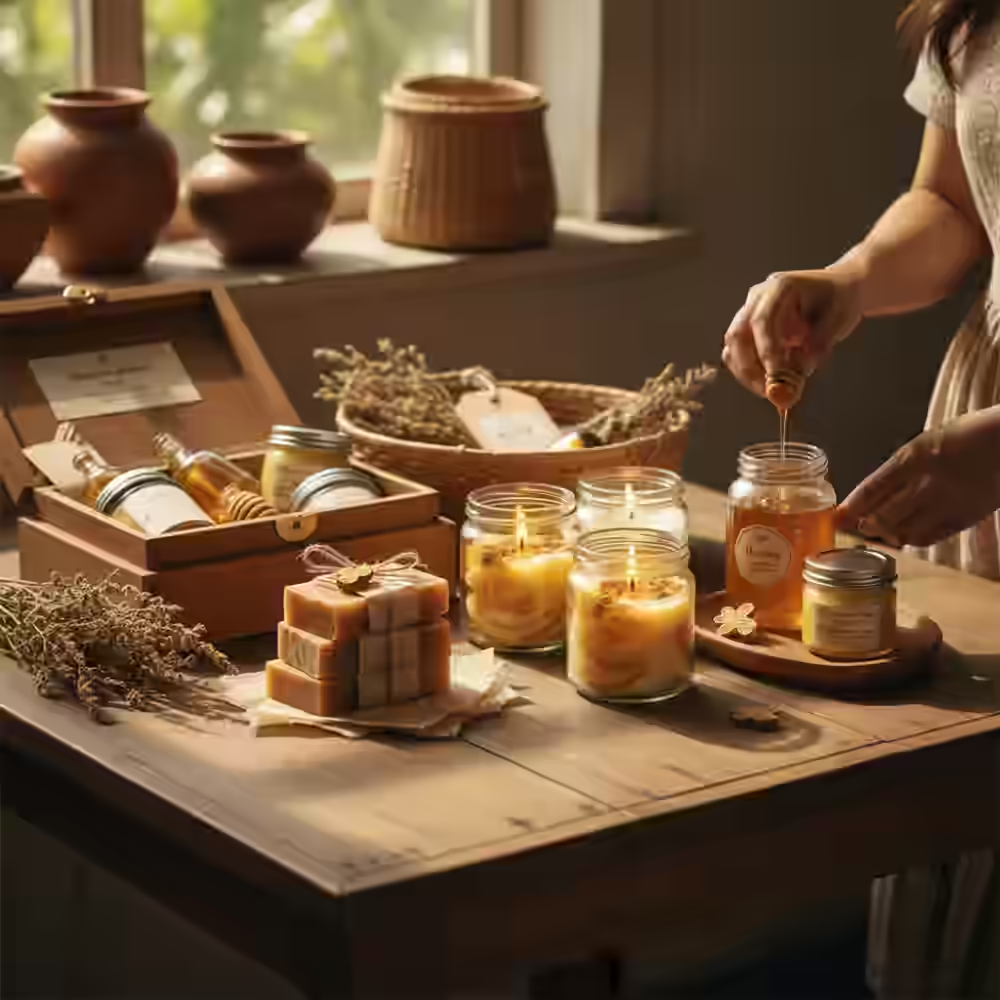
In the competitive world of handmade goods, standing out requires more than just quality craftsmanship. Today’s conscious consumers are seeking products that tell a story, offer natural ingredients, and provide genuine value. Enter honey: nature’s golden elixir that transforms ordinary artisanal products into premium, sought-after items.
Whether you’re crafting small-batch soaps, hand-poured candles, or curated gift boxes, incorporating honey can elevate your brand, justify higher price points, and create loyal customers who appreciate the natural luxury you’re offering.
The Premium Appeal of Honey
Honey isn’t just an ingredient; it’s a marketing advantage. When customers see “honey” listed on your product label, they immediately associate it with quality, natural wellness, and thoughtful craftsmanship. This single ingredient can reposition your products from “homemade” to “artisanal luxury.”
For craft businesses, this distinction matters enormously. A basic handmade soap might sell for $5, but a honey-infused bar can easily command $8-12, especially when you emphasize the natural, skin-nourishing properties that honey brings. The perception of value increases dramatically, and customers are willing to pay for that premium experience.
Honey in Handmade Soaps: Natural Luxury for Skin
Soap makers have long recognized honey as a game-changing ingredient. Beyond its natural humectant properties that help skin retain moisture, honey adds a creamy lather, gentle exfoliation from natural enzymes, and a subtle, warm sweetness that synthetic fragrances can’t replicate.
When marketing honey soaps, you’re not just selling a cleansing bar. You’re offering a spa-like experience, natural skincare benefits, and a connection to traditional wellness practices. Customers browsing craft fairs or online marketplaces will pause at “Lavender Honey Oatmeal Soap” far more readily than “Lavender Oatmeal Soap.” That single word elevates the entire product.
Consider creating signature lines around different honey varieties. Orange blossom honey paired with citrus essential oils creates a bright, uplifting bar, while buckwheat honey’s rich, molasses-like quality pairs beautifully with vanilla and oatmeal for a more grounding product. Each variety tells its own story and appeals to different customer preferences.
Candle Crafting: The Golden Glow
Hand-poured candles infused with honey or beeswax create an entirely different market position than standard paraffin candles. Beeswax candles, naturally golden and subtly honey-scented, burn cleaner and longer than conventional alternatives. They also purify the air by releasing negative ions, a compelling selling point for health-conscious buyers.
For candle makers, honey-themed products open up creative possibilities. A “Honey & Vanilla Bean” soy candle suggests warmth, comfort, and natural sweetness. When packaged in amber glass jars with honeycomb-embossed labels, these candles become gift-worthy items that customers will pay premium prices for.
The key is in the presentation and storytelling. Don’t just make a honey candle; create a narrative around cozy evenings, natural living, or supporting local beekeepers if you source your honey locally. These stories transform your candles from commodities into experiences.
Gift Boxes and Care Packages: Honey as the Hero Ingredient
Curated gift boxes have exploded in popularity, and honey serves as the perfect anchor for these collections. A “Natural Wellness Box” featuring honey, honey soap, beeswax lip balm, and honey-drizzled granola feels cohesive, thoughtful, and luxurious.
The beauty of honey in gift packages is its versatility. It pairs seamlessly with bath products, gourmet foods, tea collections, and wellness items. A small jar of artisanal honey becomes the centerpiece that ties everything together, suggesting care, quality, and natural goodness.
For businesses creating seasonal or themed boxes, honey adapts beautifully. A summer box might feature light wildflower honey with lavender products, while a winter collection could showcase rich, dark honey alongside warming spices and beeswax candles. The honey variety itself becomes part of the curation story.
DIY Product Kits: Teaching the Craft
The DIY market thrives on authenticity and the desire to create something meaningful. Honey-based DIY kits tap into this trend perfectly. A “Make Your Own Honey Lip Balm” kit or “Honey Face Mask Creation Set” offers customers the satisfaction of crafting while enjoying premium, natural ingredients.
These kits position you as not just a seller but an educator and curator of quality materials. Including a small jar of artisanal honey, detailed instructions, and the story behind honey’s benefits creates value far beyond the raw materials. Customers aren’t just buying ingredients; they’re buying an experience and knowledge.
Marketing Your Honey-Infused Products
Successfully marketing honey products requires highlighting what makes honey special. Focus on these compelling angles:
Natural and Pure: In an age of synthetic everything, honey represents unadulterated nature. Emphasize this purity, especially if you source from local beekeepers or can trace your honey’s origin.
Wellness Benefits: Honey’s antimicrobial, moisturizing, and healing properties are well-documented. While you should avoid making medical claims, you can certainly highlight honey’s traditional use in skincare and wellness.
Sustainability Story: If your honey supports local beekeepers or contributes to pollinator conservation, this story resonates with environmentally conscious consumers who will pay more for products aligned with their values.
Artisanal Quality: Position honey as an ingredient choice that reflects your commitment to quality over convenience. Mass-market products use synthetic substitutes; you use real honey because you care about creating something exceptional.
Practical Tips for Artisans
If you’re considering adding honey to your product line, start with these strategies:
Source quality honey from reputable suppliers or local beekeepers. The quality of your honey directly impacts your final product, so invest in good ingredients. Build relationships with honey suppliers who can provide consistency and potentially unique varieties.
Experiment with different honey types. Each variety brings distinct flavors, colors, and properties. Clover honey offers mild sweetness, while manuka honey commands premium prices due to its renowned properties. Match honey varieties to your product’s character.
Educate yourself on proper usage rates and handling. Honey behaves differently than other ingredients in various applications. In soap making, it can accelerate trace and cause overheating. In candles, it’s typically used as a scent note rather than a direct ingredient. Understanding these nuances ensures product quality.
Create compelling product descriptions that tell honey’s story without overwhelming customers with details. A balance of benefits, sensory description, and emotional appeal works best.
Pricing Your Premium Products
Adding honey justifies higher pricing, but you need to communicate this value clearly. Break down what makes your product special: hand-selected ingredients, small-batch quality, the time and care invested in crafting, and the benefits honey provides.
Consider your target market. Customers shopping at farmer’s markets, boutique stores, or specialty online shops actively seek premium, natural products and expect to pay accordingly. Position your pricing confidently, knowing that the right customers will appreciate and pay for quality.
Building Your Brand Around Natural Luxury
Honey isn’t just an ingredient; it’s a brand identity opportunity. Artisans who center their product lines around honey and beeswax can build cohesive, recognizable brands that stand out in crowded markets.
Consider your entire brand experience: packaging that evokes natural warmth with amber tones and honeycomb patterns, consistent messaging about quality and natural ingredients, and customer touchpoints that reinforce the premium, thoughtful nature of your products.
The Sweet Success Story
Incorporating honey into your handmade products isn’t just about following a trend; it’s about offering genuine value through natural ingredients that have stood the test of time. For craft businesses looking to differentiate themselves, command premium prices, and build customer loyalty, honey provides a golden opportunity.
Whether you’re making your first batch of honey soap or expanding your candle line to include beeswax options, you’re tapping into consumers’ growing desire for natural, artisanal products that feel special. In a world of mass production, honey helps your handmade items tell a story of care, quality, and natural luxury.
The market for premium, natural artisanal products continues to grow, and honey positions your handcrafted goods exactly where they belong: in the hands of customers who appreciate and value quality, natural ingredients, and the thoughtful craftsmanship that goes into every item you create.
Ready to transform your artisanal products with the power of honey? Start small, experiment with different varieties, and watch as this simple natural ingredient elevates your entire product line from homemade to genuinely premium.